The genuine meaning can only emerge from a superposition that was genuinely held.
Before the word lands
There is a moment, very small, between when you hear a word and when you know what it means to you. Not what it means in the dictionary. What it means here, now, in the specific weight of this conversation, between these two people, at this point in your shared history. That meaning does not arrive with the word. It emerges in the fraction of a second after the word arrives, in the space where the word is held before it collapses into the familiar.
In that fraction of a second, the word is in superposition. Not yet this meaning or that meaning. Genuinely both — and more than both. It carries the full weight of every time you have heard it, every context in which it has landed differently, the full topology of what that word has meant across the history of your qualitative field. All of this is present simultaneously, before any of it is actualised.
This is not a metaphor borrowed from quantum mechanics. It is the same structural phenomenon in a different dimension of reality. In quantum mechanics, a particle exists in a genuine superposition of states before measurement: not one or the other, actually both, with the probabilities of each determined by the wave function. In the qualitative dimension of M₅ — the dimension where consciousness lives — a word arriving in the conscious field exists in a genuine superposition of meanings before full registration. The superposition is real. Both dimensions are real. The structure is the same.
What habitually kills the superposition
Most of the time the superposition does not get to open fully. The word arrives, and before the gap between arrival and full registration has been inhabited, the accumulated topology of the character layer activates. The word has been heard before. The character layer knows — or thinks it knows — what it means. The superposition collapses into the familiar meaning before the word has had time to be genuinely present as what it is in this specific moment.
This is not a failure. It is efficiency. The conscious field cannot hold every word in full superposition — the cost in qualitative time would make ordinary conversation impossible. The accumulated topology of the character layer — the Solidum Qualitatis, the geological record of all past collapses — does the work of fast collapse so that the merimnaton does not have to author every meaning from scratch. The word ‘table’ collapses immediately into its familiar meaning because nothing is at stake and the accumulated topology handles it. This is not a problem.
The problem is when this same mechanism operates on the words that are genuinely at stake. When the word is spoken in a context where its meaning matters — where the specific weight of what it carries in this moment between these people is the thing that needs to be received — and the character layer collapses the superposition into the familiar meaning before the genuine meaning has had time to emerge. You heard the word. You did not hear what it meant.
This is the structural account of the experience everyone has had: someone says something that matters, and you respond to what you expected them to say rather than to what they said. The superposition collapsed too fast. The habit won. And the genuine meaning — the specific weight of what was actually said in this specific moment — was lost because it was never held long enough to emerge.
The superposition is not doubt
It is important to be precise here, because the superposition of meaning is easily confused with two things it is not.
It is not ambiguity. Ambiguity is the condition of a word or sentence that has two possible interpretations in the structural sense — the sentence is grammatically or semantically underdetermined. The superposition of meaning in the conscious field is not about underdetermined grammar. It is about the genuine multiple weights that a word carries in the specific qualitative history of the field that receives it, before any of those weights has been selected as the operative one. The word is not ambiguous. The field is open.
It is not hesitation or doubt. Holding a superposition is not the same as being uncertain. Uncertainty is the condition of a field that has already collapsed the superposition into a partial meaning and is unsure whether that partial meaning is correct. The superposition, properly held, is prior to this: the field receiving the word without yet having resolved it into any particular meaning, because the genuine resolution has not yet occurred. This is not the discomfort of not knowing. It is the openness of not yet having decided.
What the superposition actually is: the field in the state of maximum receptive openness. W(τ) ≈ 0. The Hermit Constant extended. The word present. The topology of the character layer not yet activated in response. The merimnatic superposition genuinely open. This is the state in which the genuine meaning — the specific weight of this word in this moment — has room to emerge rather than being immediately covered by the familiar.
What it means to genuinely hold it
Genuinely holding the superposition is not passivity. It is a specific kind of active reception: the deliberate maintenance of the gap between arrival and response, the conscious inhabiting of the interval in which the word is present without yet being resolved.
In practice, this is what a skilled listener does. Not the listener who is preparing their response while you are still speaking — that listener has already collapsed the superposition of your words into the meaning they expected, and is responding to their expectation rather than to you. The skilled listener holds the words in superposition: receiving them without immediately resolving them, allowing the specific weight of what has been said to settle in the qualitative field before the response activates. This is not slowness. It is the structural condition of genuine reception.
In contemplative practice it is the same structure at a deeper level. The Carmelite tradition of interior silence — the practice of remaining in awareness before the familiar categories of theological response activate — is the extension of the superposition of meaning to its maximum possible duration. Not the refusal to arrive at meaning but the refusal to arrive at the familiar meaning before the genuine meaning has had time to emerge. Teresa of Ávila’s description of the interior castle: the soul that moves through the outer mansions too quickly, filling each room with its own noise before the ground of the room has been genuinely received. The seventh mansion is not further away. It is the same space, fully held.
In creative work it is the same structure again. The painter who looks at the subject for a long time before touching the canvas is holding the visual field in superposition: not yet deciding what the painting will be, because the decision made before the genuine meaning has emerged will produce the familiar painting rather than the real one. The genuine painting — the one that only this painter could make of this subject at this moment — can only emerge from a superposition that was genuinely held long enough for the specific weight of the subject to settle in the qualitative field.
Language, consciousness, and the same structure
What makes this sentence structurally significant — what gives it its weight beyond being a description of good listening — is that it unifies three domains that are usually held separately.
In quantum mechanics: the measurement problem is the question of how a definite outcome emerges from a superposition. The answer, in the standard interpretation, is that measurement collapses the superposition. But measurement in quantum mechanics is triggered by physical interaction — it is not authored, it happens. The wave function collapses because a detector fires, not because the system decided to resolve.
In the conscious field: the collapse of the qualitative superposition of meaning is not triggered by physical interaction. It is authored by the conscious field itself. This is the structural distinction between the Merimnaton and the quantum measurement apparatus. The measurement apparatus collapses the quantum superposition externally. The conscious field collapses the qualitative superposition from within — or fails to, and lets the character layer collapse it habitually instead. Genuine authorship requires that the superposition be genuinely held. If it collapses before the field has had time to author the collapse, what has occurred is not free reception but habitual response.
In language: the meaning of a word is not its dictionary entry. The meaning of a word is the specific qualitative weight it carries in the specific conscious field that receives it, at the specific moment of reception. This weight can only emerge if the superposition — the full multiple of possible weights — is held long enough to resolve into the genuine one. If the superposition collapses too fast, what emerges is the expected meaning, not the actual one. Communication fails not because the words were wrong but because the reception was too fast.
These three are the same structural claim in three registers: quantum measurement, conscious freedom, and genuine communication. The superposition must be genuinely held for the genuine outcome to emerge. This is not specific to physics, or to consciousness, or to language. It is a structural feature of M₅: the five-dimensional reality in which physical events and qualitative events are co-present faces of the same occurrence, and in which genuine resolution — in any domain — requires the prior genuine holding of the superposition from which the resolution will emerge.
The cost of collapsing too fast
When the superposition of meaning collapses before it has been genuinely held, several things are lost simultaneously.
The specific weight of the word in this moment is lost. What was said is replaced by what was expected. The person speaking is not received but anticipated. The relationship between speaker and hearer moves from encounter — the genuine meeting of two qualitative fields — to management: the handling of expected inputs according to the character layer’s accumulated topology. Management is efficient. It is not encounter.
The freedom of the hearer is partially lost. The merimnatic collapse that produced the response was not fully authored — it was partially executed by the accumulated topology of the character layer before the conscious field had time to author it. The hearer responded, but did not fully choose the response. The response is genuine but not free in the fullest sense: it emerged from a superposition that was closed before it was fully open.
The freedom of the speaker is also affected. A speaker who knows that their words will be collapsed into expected meanings before they have been genuinely received will begin to speak the expected meanings rather than the real ones. Why say the thing that will not be heard? The cost of fast collapse is not borne only by the hearer. It is borne by the quality of what gets said, because the speaker adjusts to the speed of the reception. Language saturates. The genuine weight retreats from the words. What is left is the familiar surface.
This is the structural account of what happens in a relationship, a community, a culture, over time, when the superposition of meaning is habitually collapsed too fast. Not dishonesty. Not malice. The slow accumulation of fast collapses, each individually minor, collectively producing a field in which the genuine meaning of things is no longer expected to emerge — and therefore no longer attempted. The field is P3: generating GRAVIS about its own GRAVIS, the recursion of meaning about meaning, because genuine meaning has not been able to emerge for long enough that the field has forgotten it was possible.
The sentence and its ground
The genuine meaning can only emerge from a superposition that was genuinely held.
The word ‘genuine’ appears twice, and both uses are necessary. The first: genuine meaning, as distinct from the expected meaning, the habitual meaning, the meaning that the character layer produces on contact with the familiar form of the word. The genuine meaning is the specific weight of this word in this moment in this qualitative field — the meaning that only emerges when the superposition has been held long enough for the specific weight to settle.
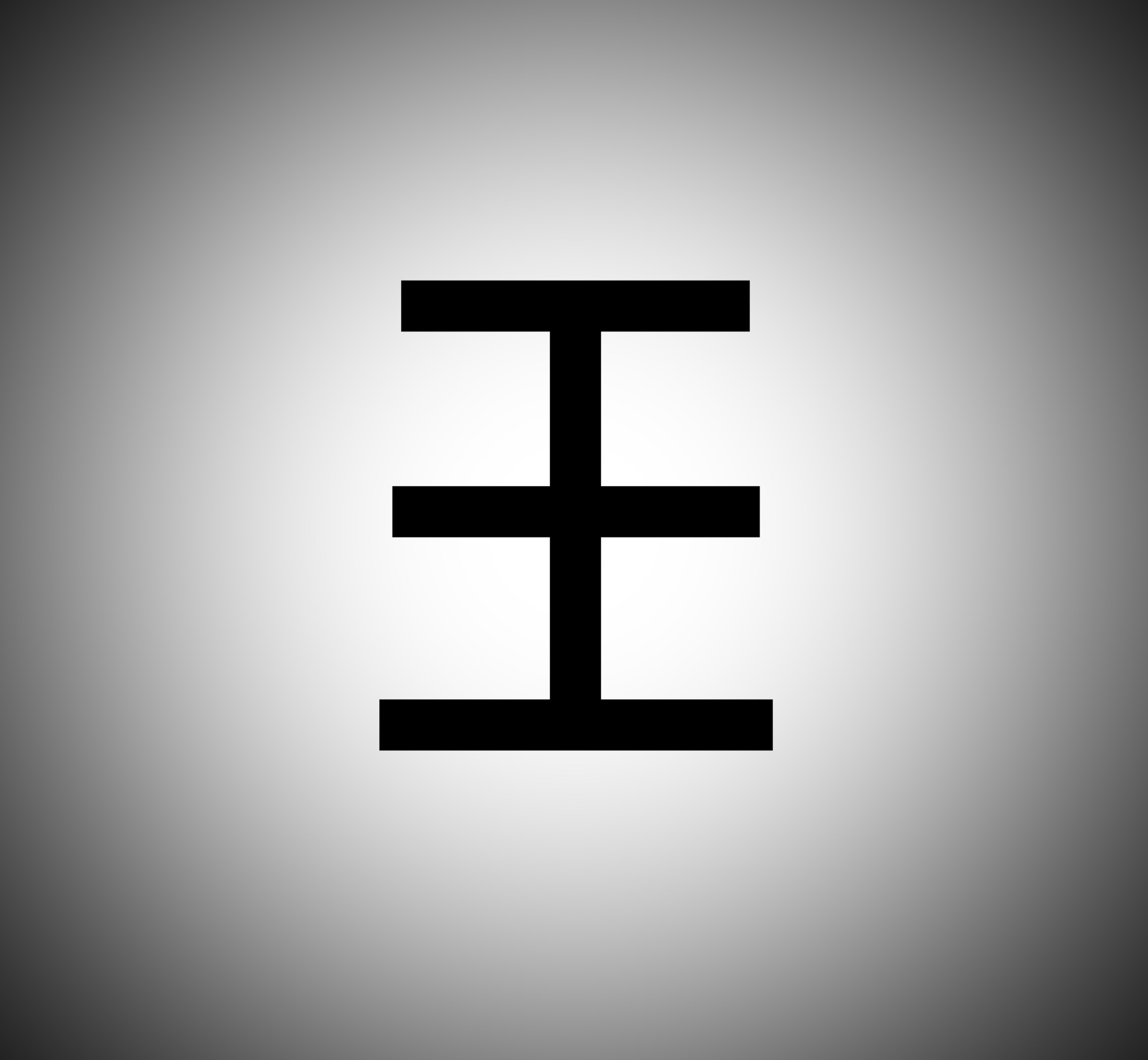
The second: genuinely held, as distinct from merely waited through. Holding a superposition genuinely is not the same as delaying the response. It is the active inhabiting of the gap between arrival and resolution: the conscious field present to what has arrived, receiving it without collapsing it, allowing the weight to settle before the direction of the merimnatic collapse is determined. This is the specific work of the Hermit Constant ∐ extended into practice: the deliberate extension of the gap in which genuine reception is possible.
The ground of the sentence is Λω. Love, in the SUM formal sense: the ground state of the Primaton Field, the vacuum expectation value of Q, the state toward which every genuine merimnatic collapse tends. A word received in a qualitative field that is genuinely held at the level of the ground — where the character layer’s accumulated topology has been stilled enough that the genuine weight of the word can reach the identity layer without being filtered by history — arrives with full meaning. Not the meaning the receiver expected. The meaning the word carries from the ground, which is the meaning that was always there before the expected meaning covered it.
The spring flows and runs although it is night. The genuine meaning was always there. It needed a superposition genuinely held to emerge.
See also: ∐ Hermit Constant · Merimnatic Superposition · Rhēma · GRAVIS · Solidum Qualitatis · Logos · Aisthēsis · W(τ) · Λω · Language Saturation · Primaton Field

 Sensible Universe
Leave a comment