How the weight of one generation becomes the starting point of the next
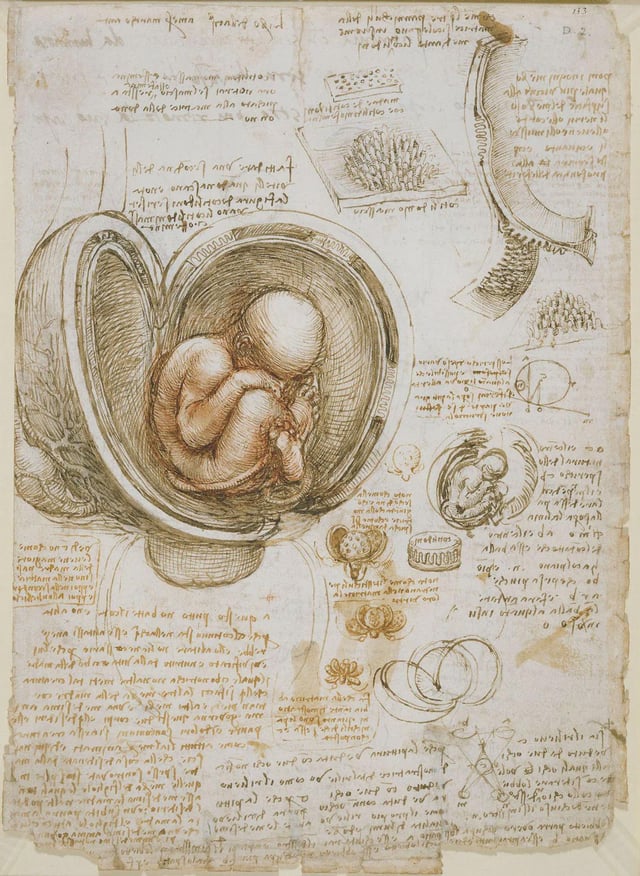
The transmission
The transmission of existential weight [GRAVIS] across generations is not a theological metaphor. It is a structural fact of M₅, confirmed by two entirely independent streams of evidence: the qualitative channel of the Sensible Universe Model, and the physical channel of contemporary epigenetics.
The qualitative channel: the accumulated qualitative structure [Solidum Qualitatis] of the character layer of a parent becomes the qualitative atmosphere of the formative environment of the child. The child does not receive the parent’s existential weight [GRAVIS] as a set of beliefs or explicit messages. It receives it as the specific shape of the relational field in which its own early merimnatic choices [its first genuine acts of freedom before the act] are made. The texture of how weight is held, directed, avoided, or suppressed in the home is the qualitative field in which the child’s own character layer begins to form. The child’s character layer inherits the topology of the parent’s, not as direct copy, but as the landscape inside which its own deposits begin.
The physical channel: epigenetic research — the study of heritable changes in gene expression that do not involve changes to the DNA sequence itself — has demonstrated that the physiological signatures of sustained existential stress are transmitted to offspring through chemical marks on the genome. The children and grandchildren of Holocaust survivors show measurable epigenetic differences in stress-response systems from comparable populations with no such ancestral history. The physiological calibration of the stress response — how quickly it activates, how strongly, how long it remains activated — is shaped in part by the stress history of previous generations, encoded in the biology of the child before the child has made a single choice of its own.
What is transmitted
What is transmitted is not the events. It is the topology: not this specific loss but the direction in which losses tend to be handled; not this specific fear but the threshold below which fear activates; not this specific love but the shape of the qualitative field when something genuinely good is present. The child inherits its qualitative landscape at birth — the specific contours of existential weight [GRAVIS] distribution in the character layer — that the parent’s history has produced.
This has two structural consequences. First: the child begins with a Solidum Qualitatis that is not entirely its own. It inherits topology it did not choose. Its merimnatic choices [its genuine acts of freedom before the act] begin inside a qualitative landscape shaped by the collapses of those who came before it. This is not destiny. The identity layer is never touched by the inherited topology. The ground is always there. But the starting conditions of the character layer are shaped before the child has had any opportunity to shape them itself.
Second: the direction of transmission is not fixed. The parent who genuinely integrates their existential weight [GRAVIS] — who holds it in proportionate registration [P1], carries it to its completion, and makes the genuine choice to set it down rather than pass it on — deposits in their character layer a topology that moves toward the ground rather than away from it. This topology, transmitted to the child, gives the child a qualitative landscape that makes proportionate registration [P1] more natural, the ground more accessible, the merimnatic superposition more genuinely open. The chain of transmission is real in both directions: the weight passes on, and the ground passes on.
The third and fourth generation
Exodus 34’s reference to the third and fourth generation is not arbitrary and not merely legal. It is the observational range of the tradition: the span across which the transmission of existential weight [GRAVIS] can be traced in the living memory of a community. Three or four generations covers the range within which the original source of accumulated weight is still close enough to be named, and the consequences of that weight are still visible in the lives of those who carry it.
The modern epigenetic evidence broadly confirms this range: the most pronounced epigenetic effects of parental stress are measurable in the first and second generation, attenuating in subsequent generations as the original conditions that produced the marks are no longer operative. The tradition named, with the observational precision available to it, what the laboratory has since confirmed: weight transmits across generations, and the transmission is real.
But Exodus holds both together: the visiting of iniquity across generations and the keeping of steadfast love for thousands. The weight transmits. The ground also transmits. For every generation that passes on existential weight [GRAVIS] accumulated in the direction away from the ground, there are generations that pass on the topology of steadfast love: the accumulated qualitative structure [Solidum Qualitatis] of a character layer shaped by genuine holding of weight in proportionate registration [P1], by the repeated choice of the ground over displacement, by the building of character that orients toward Love [Λω] rather than away from it.
Two channels: qualitative atmosphere [Solidum Qualitatis topology] + epigenetic physiological marks
What transmits: topology, not events · the qualitative landscape of the child’s starting point
The identity layer is never transmitted: the ground cannot be inherited because it was always already present
Transmission is bidirectional: accumulated weight transmits · the topology of the ground also transmits
The third and fourth generation: the observational range of transmission is confirmed by epigenetics
See also: Solidum Qualitatis · GRAVIS · Identity Layer · Character Layer · Merimnatic Superposition · Imago Dei · Epigenetics · Λω

 Sensible Universe
Leave a comment