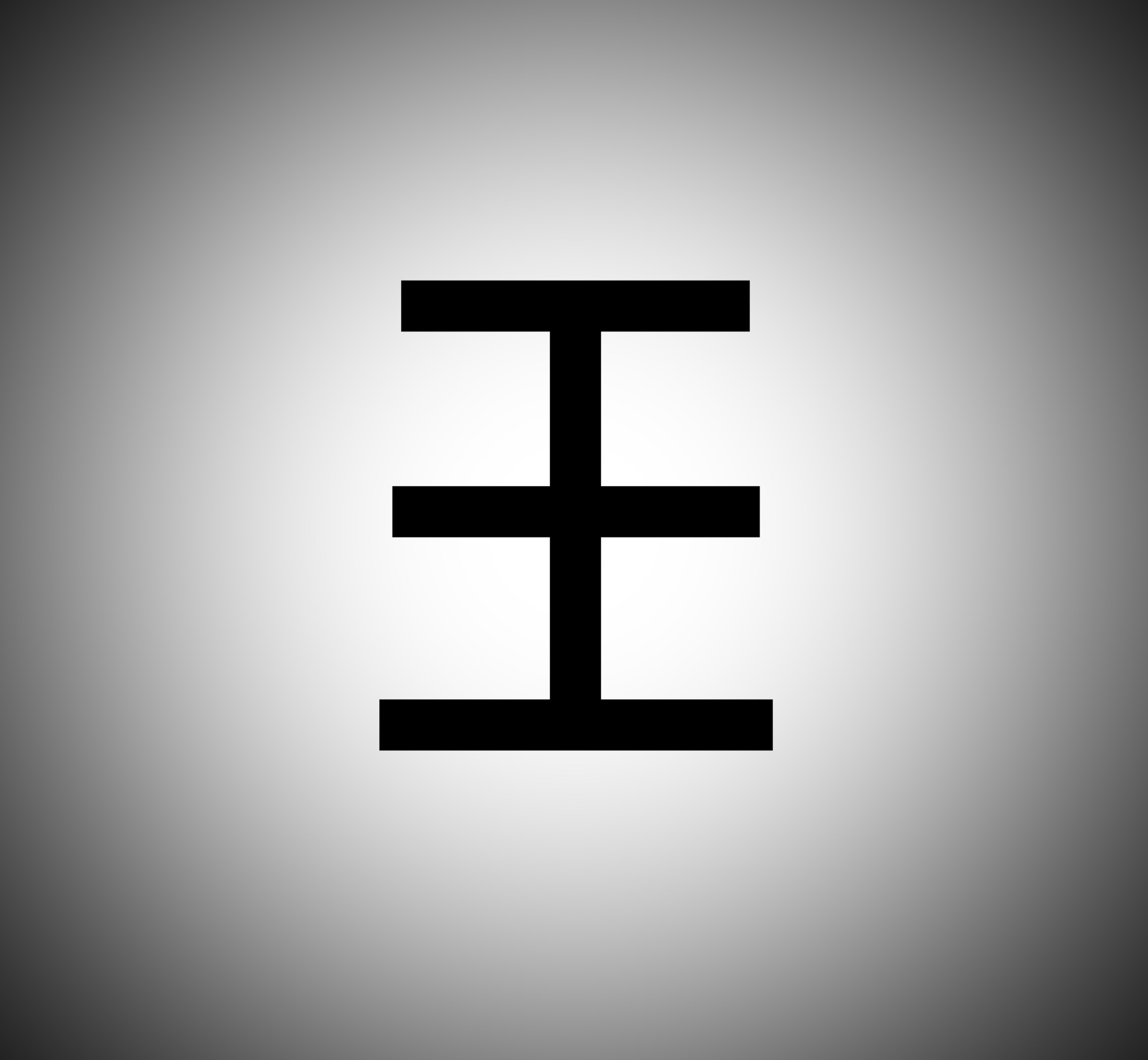
Λω
-
40. Nunc Stans: El ahora permanente
El ahora permanente — el presente eterno al que las dos singularidades cualitativas se aproximan desde direcciones opuestas Continue reading
-
Co-emergencia: Ni la consciencia de la materia ni la materia de la consciencia — ambas juntas.
El peso existencial [GRAVIS] de un acto genuino de perdón es peso real en la dimensión cualitativa, no reducible al patrón de disparo neural que lo acompaña. Continue reading
-
39. Co-emergence: Neither consciousness from matter nor matter from consciousness — both together.
The ground is not matter and not mind. It is the Love-constant [Λω] from which both co-emerge. Continue reading
-
Gravitas / Baros Βάρος: 37. The ontological weight of a conscious field’s presence
In the Sensible Universe Model, gravitas is the formal name for what is transmitted through the smallest quantum of presence [Qualiton, q] when a conscious field with high integrated existential weight [GRAVIS] enters a relational space. Continue reading
-
Gravitas / Baros Βάρος: 37. El peso ontológico de la presencia de un campo consciente
En el Modelo del Universo Sensible, la gravitas es el nombre formal de lo que se transmite a través del cuanto mínimo de presencia [Cualitón, q] cuando un campo consciente con alto peso existencial [GRAVIS] integrado, entra en un espacio relacional. Continue reading
-
35.a Intergenerational GRAVIS Transmission I
The third and fourth generation: the observational range of transmission confirmed by epigenetics Continue reading
-
34. Identity · Character · Personality: The three-layer architecture of the conscious field
What science, psychiatry and psychology have found — and where the Sensible Universe Model agrees, extends, and re-interprets. Continue reading
-
Ousía Oὐσία: 36. Ser · Sustancia · Lo que una cosa es en sí misma
Ousía [griego: Οὐσία, del verbo ‘ser’, einai] es una de las palabras más consecuentes en la historia de la filosofía y la teología. Aristóteles la usó para nombrar la categoría primaria del ser: no cómo se llama una cosa, no qué cualidades tiene, no dónde está ubicada, sino lo que es — su ser, su… Continue reading
-
Ousia Οὐσία: 36. Being · Substance · What a thing is in itself
Aristotle used it to name the primary category of being: not what a thing is called, not what qualities it has, not where it is located, but what it is — its being, its substance, its essential nature. Continue reading
-
Solidum Qualitatis SQξ: 16. The Crystallised Qualitative Structure of a Conscious Field
The SQξ forms through the accumulation of merimnatic collapse directions. Each time the merimnatic superposition collapses toward Love — toward accurate, proportionate, integrated response — the character layer receives a deposit in the direction of P1. Continue reading
-
Λω – Lomega: 3. La Constante del Amor
Sin Λω, el campo cualitativo no tiene suelo — cada evento GRAVIS flota sin referencia, cada peso es relativo, y el problema difícil de la consciencia permanece permanentemente irresoluble porque no hay invariante debajo de la experiencia respecto al cual pueda medirse. Λω es la razón de que la medida se sostenga. Continue reading
-
The Origin of Awareness: Where Life Begins, Consciousness Follows
The question “When did consciousness begin?” has dominated philosophy and neuroscience for centuries. But this question assumes consciousness emerges suddenly from non-conscious matter, a framework that generates problems. The Sensible Universe Model (SUM) proposes a different origin story: awareness is coextensive with life itself, present from the first self-maintaining boundary 3.8 billion years ago. Continue reading
 Sensible Universe